

Best Materials for Custom Plantation Shutters: 5 Top Picks
The Best Materials for Custom Plantation Shutters
When it comes to enhancing your home’s aesthetics and functionality, custom plantation shutters stand out as a premier choice. Not only do they add value to your property, but they also provide exceptional light control and privacy solutions. However, the key to creating beautiful and durable shutters lies in selecting the best materials for custom plantation shutters.
Understanding Plantation Shutters
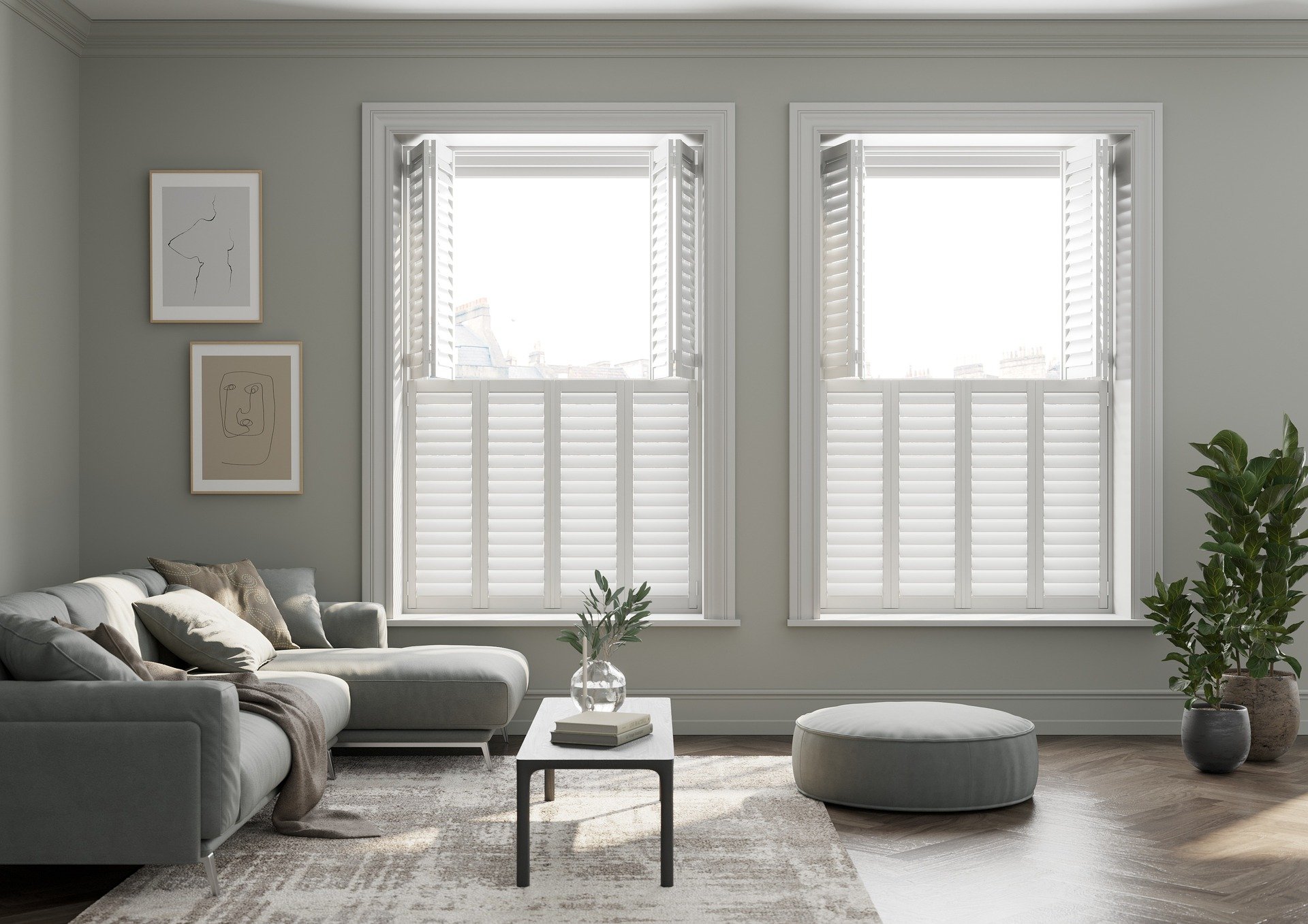
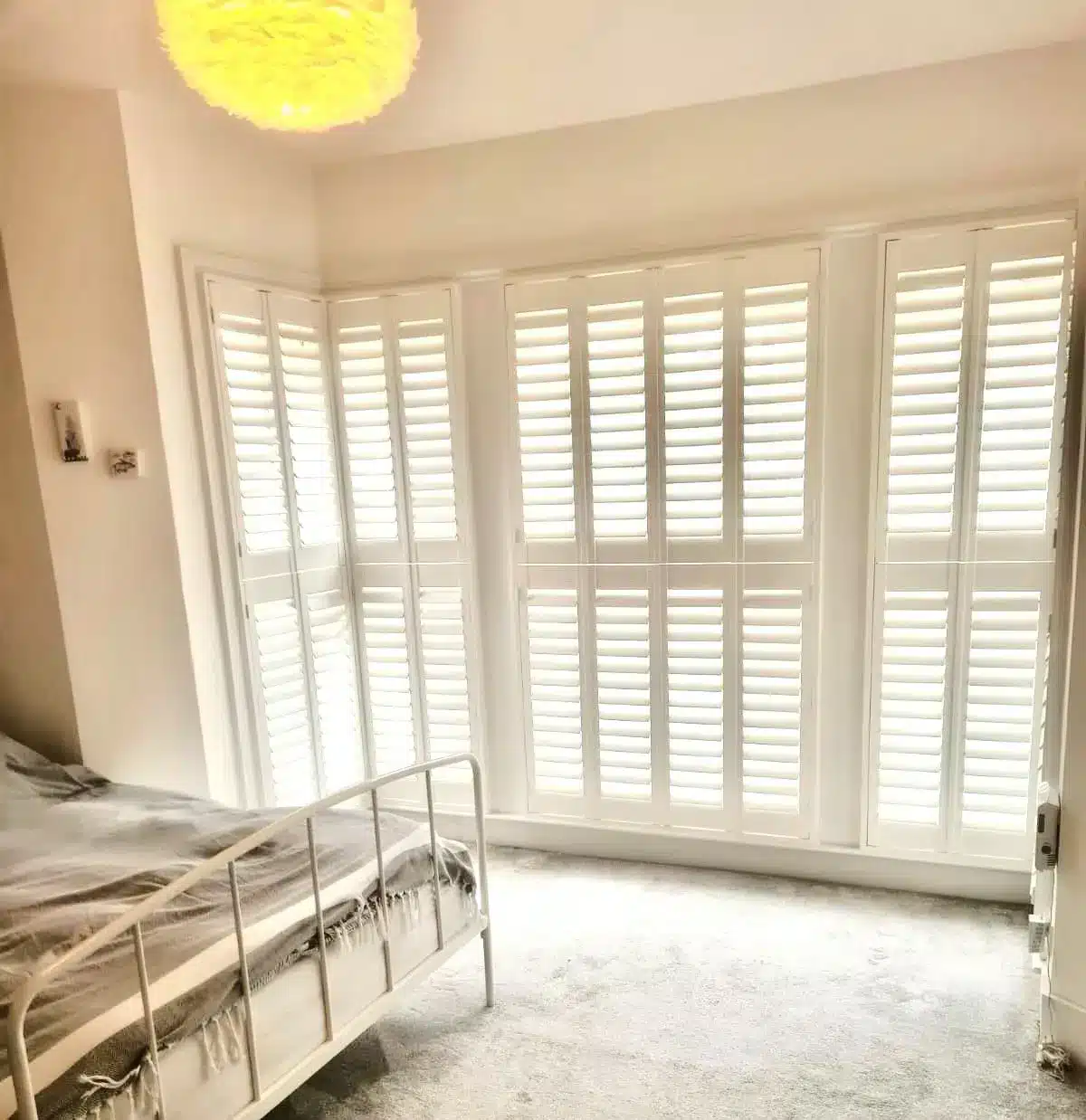
Plantation shutters are hinged window coverings consisting of a frame surrounding slats that can be tilted open or closed. This design allows for superior control over light and airflow, making them a popular choice among homeowners. Nonetheless, not all plantation shutters are created equal. The materials used greatly impact their appearance, durability, and energy efficiency.
Why Material Matters
Each material comes with its own set of advantages and disadvantages. Knowing these can help you make an informed decision when choosing the best materials for custom plantation shutters. Here are several key factors:
- Durability: Some materials hold up better over time than others.
- Maintenance: Easy-to-clean materials can save time and effort.
- Energy Efficiency: Insulating materials can contribute to energy savings.
- Eco-Friendliness: Sustainable choices can have a positive environmental impact.
Top 5 Materials for Custom Plantation Shutters
1. Wood
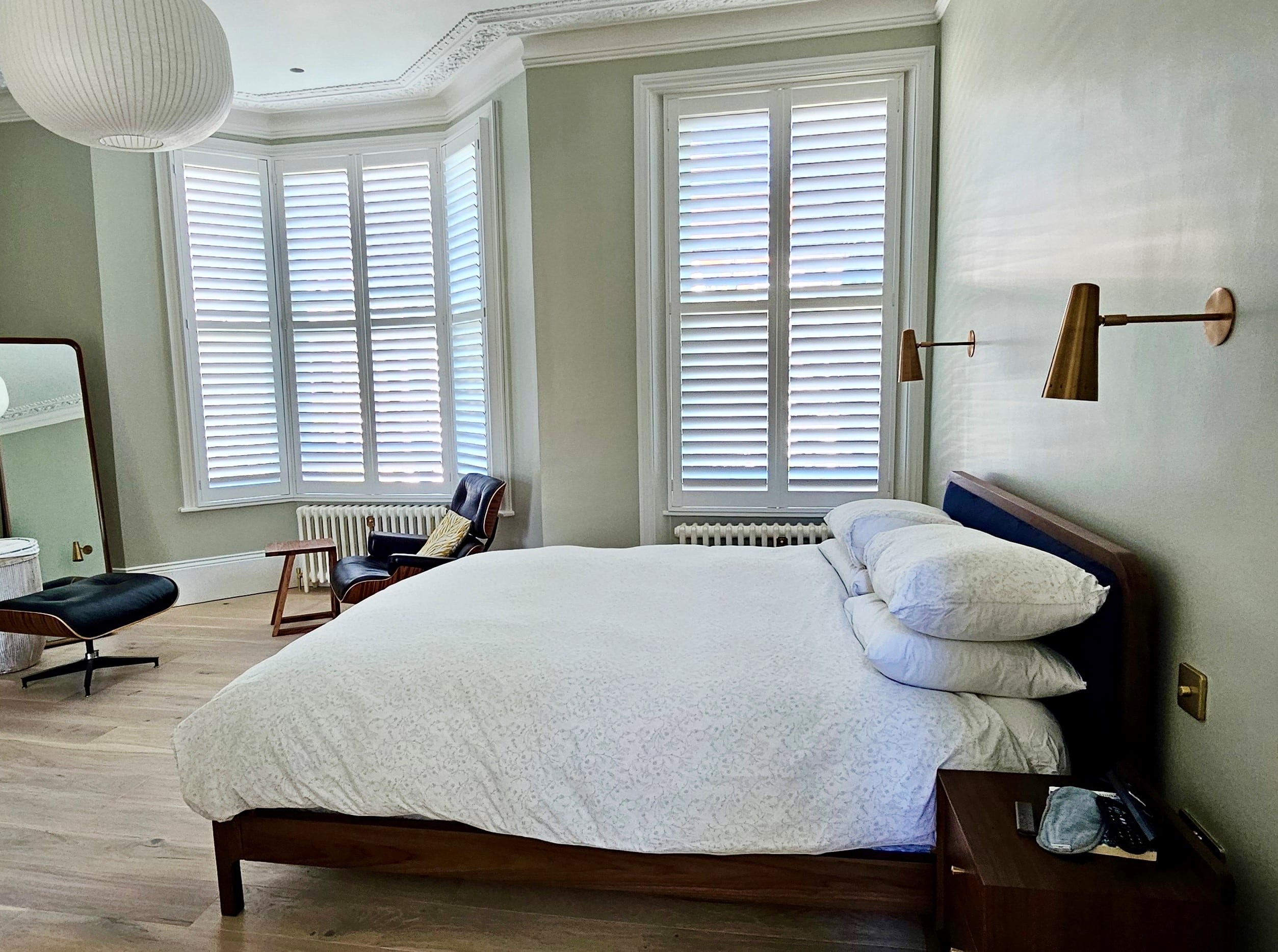
Wood is a classic choice for plantation shutters, offering exceptional beauty and versatility. Solid wood shutters are known for their strength and can be painted or stained to match your décor. They provide excellent insulation and sound absorption, making them an ideal choice for energy-conscious homeowners.
- Pros: Aesthetics, insulation, and value-addition.
- Cons: Can warp or crack in extreme humidity.
2. Composite Wood
Composite wood combines real wood with synthetic materials, offering a cost-effective alternative to solid wood shutters. They are designed to mimic the appearance of real wood while providing enhanced moisture resistance and longevity.
- Pros: Affordable, resistant to warping, and low maintenance.
- Cons: May not have the same aesthetic appeal as solid wood.
3. Vinyl
Vinyl shutters are highly durable and resistant to fading, cracking, and peeling. They are an excellent choice for high-humidity areas like kitchens and bathrooms, where traditional wood materials may struggle. For additional options, check out our black window shutters.
- Pros: High durability, easy to clean, and moisture-resistant.
- Cons: Limited paint/stain options and less insulation compared to wood.
4. Aluminum
Aluminum plantation shutters are perfect for modern interiors and are known for their strength and sleek design. They provide excellent security, making them an ideal choice for commercial properties and high-security residential areas.
- Pros: Highly durable, resistant to rust, and available in various colors.
- Cons: Can conduct heat and may not provide as much insulation.
5. Eco-Friendly Materials
For those committed to sustainability, eco-friendly materials offer the perfect balance between style and environmental responsibility. These materials include sustainably sourced wood, bamboo, and recycled composites. Choosing eco-friendly shutters can significantly reduce your carbon footprint. For more information on sustainability in construction, visit the Forest Stewardship Council.
- Pros: Sustainable, energy-efficient, and often unique in their appearance.
- Cons: Limited availability and potentially higher cost.
Comparing the Materials
When selecting from these materials, consider your specific needs, including budget, aesthetic preferences, and installation environment. For more insights on pricing, check our window shutters in London.
| Material | Durability | Maintenance | Cost |
|---|---|---|---|
| Wood | High | Medium | High |
| Composite Wood | Medium | Low | Medium |
| Vinyl | High | Low | Low |
| Aluminum | Very High | Low | Medium |
| Eco-Friendly | Varies | Medium | Varies |
How to Choose the Right Material
Choosing the best materials for custom plantation shutters involves several steps:
- Assess Your Needs: Consider factors like light control, privacy, and insulation.
- Determine Your Budget: Decide how much you’re willing to spend.
- Evolve Your Style: Think about the current design of your home and how your shutters will fit into it.
- Consult Professionals: Seek advice from experts at North London Shutters and Blinds for personalized recommendations.
Installation and Maintenance Tips
After selecting the ideal material, proper installation and maintenance are key to ensuring that your custom plantation shutters retain their beauty and functionality. Here are some tips:
1. Professional Installation
Consider employing professionals for installation to guarantee a perfect fit and finish. At North London Shutters and Blinds, we offer expert installation services across North London.
2. Regular Cleaning
Use a damp cloth to clean your shutters regularly. For deeper cleaning, follow the manufacturer’s instructions based on the material you choose.
3. Check Hardware
Ensure that all hinges and mounts are tight to prevent damage or misalignment.
The Northern London Advantage
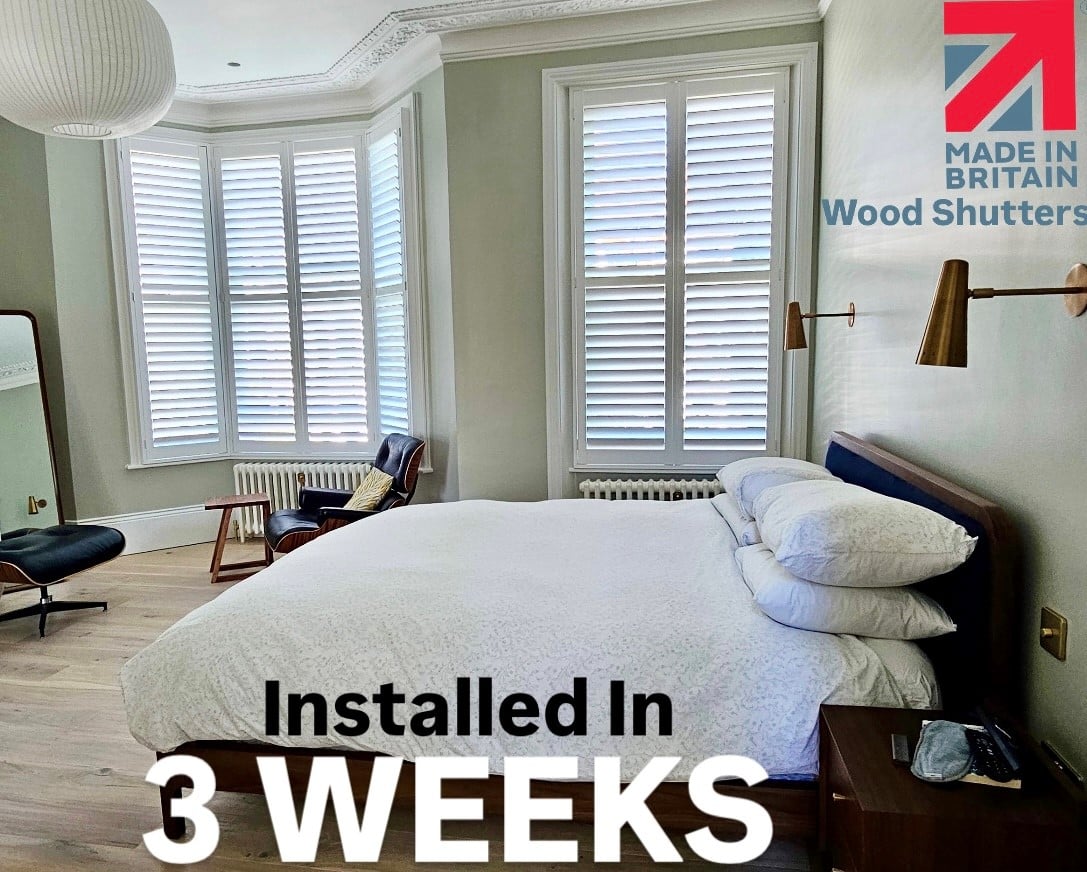
Purchasing from North London Shutters and Blinds not only offers you high-quality plantation shutters but also contributes to the local economy. Our shutters are proudly made in Britain, sourced from sustainable materials. For insights on local economic contributions, visit the Greater London Authority.
Final Thoughts
Selecting the best materials for custom plantation shutters can significantly enhance your living space while also promoting sustainability. Whether you prefer the classic charm of wood or the modern touch of aluminum, North London Shutters and Blinds has the perfect solution for your home. Reach out to us at admin@northlondonshuttersandblinds.co.uk or call us at 020 3417 6465 for expert advice and a personalized experience.