

Temporary blinds: choosing a short-term window covering
Temporary blinds can provide privacy while you wait for a permanent window treatment, decorate a room or move into a new home. Choose them for the actual window and the job they need to do. A low-cost pleated paper blind, a fabric panel and a tension-fit product have different fitting and care requirements.
Decide how much privacy and darkness you need
A light-filtering covering may soften daylight without making a bedroom dark. Check privacy after sunset with the room lights on, as well as during the day. For a bedroom, ask how much light can enter around the sides and whether the product is intended for blackout use.
Measure according to the supplier’s instructions and check the opening direction, handles and available fixing surface. The covering must leave necessary window access and ventilation usable.
Check the fixing method
Adhesive products need a compatible surface and may mark paint or leave residue when removed. Do not assume “temporary” means damage-free. Ask about removal instructions and test a discreet area where appropriate. If you rent, check what changes your tenancy permits.
A tension-fit or clip-in design must also suit the particular frame. Do not improvise fixings or put a covering against heaters, cooking equipment or another heat source.
Keep operating cords safe
Choose a product with safe operation, especially where children may be present. The British Blind and Shutter Association’s safety guidance explains the risks from accessible cords and chains. Fit every safety device supplied and follow the product instructions. Keep furniture that children can climb away from blind controls.
Allow for moisture and everyday use
Check whether the material is suitable for the room. A paper product may be a poor choice where it will repeatedly become wet. Keep an eye on condensation, avoid trapping a wet covering against the glass and follow the product’s cleaning instructions. A blind does not resolve the cause of damp or mould.
Review how you will raise or remove it to open the window and clean the glass. If it becomes damaged or no longer operates safely, replace it.
Moving to permanent shutters
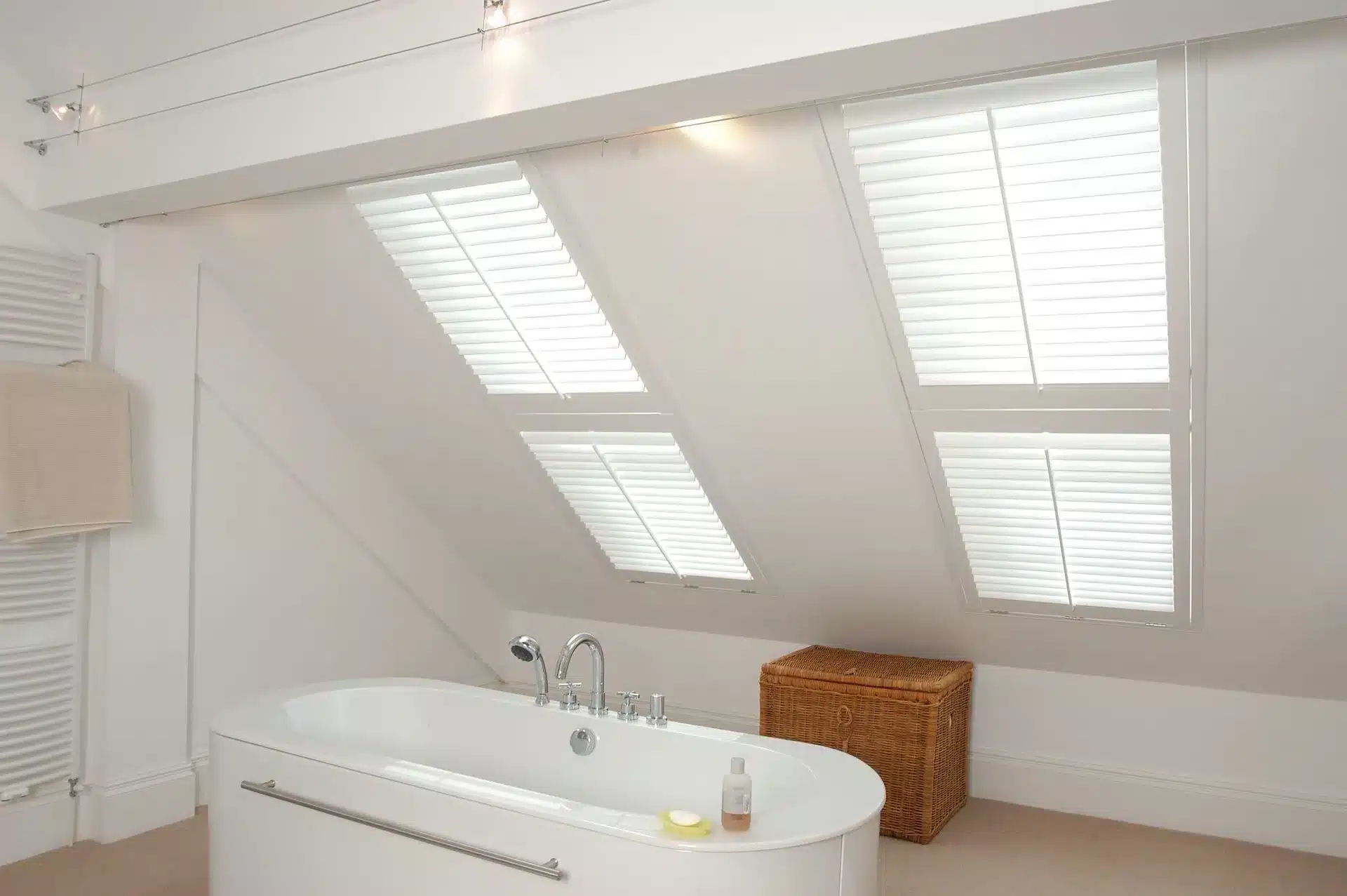
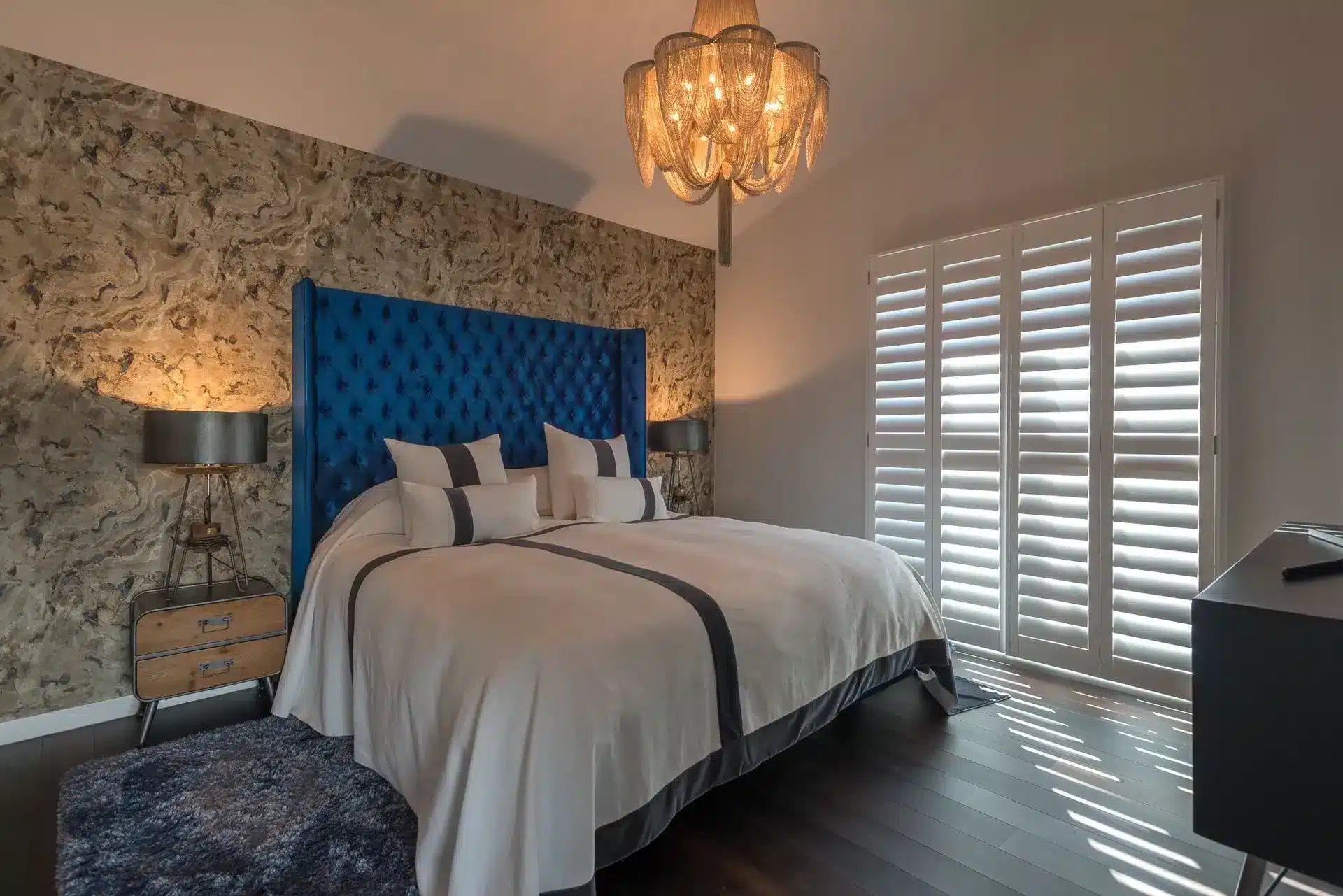
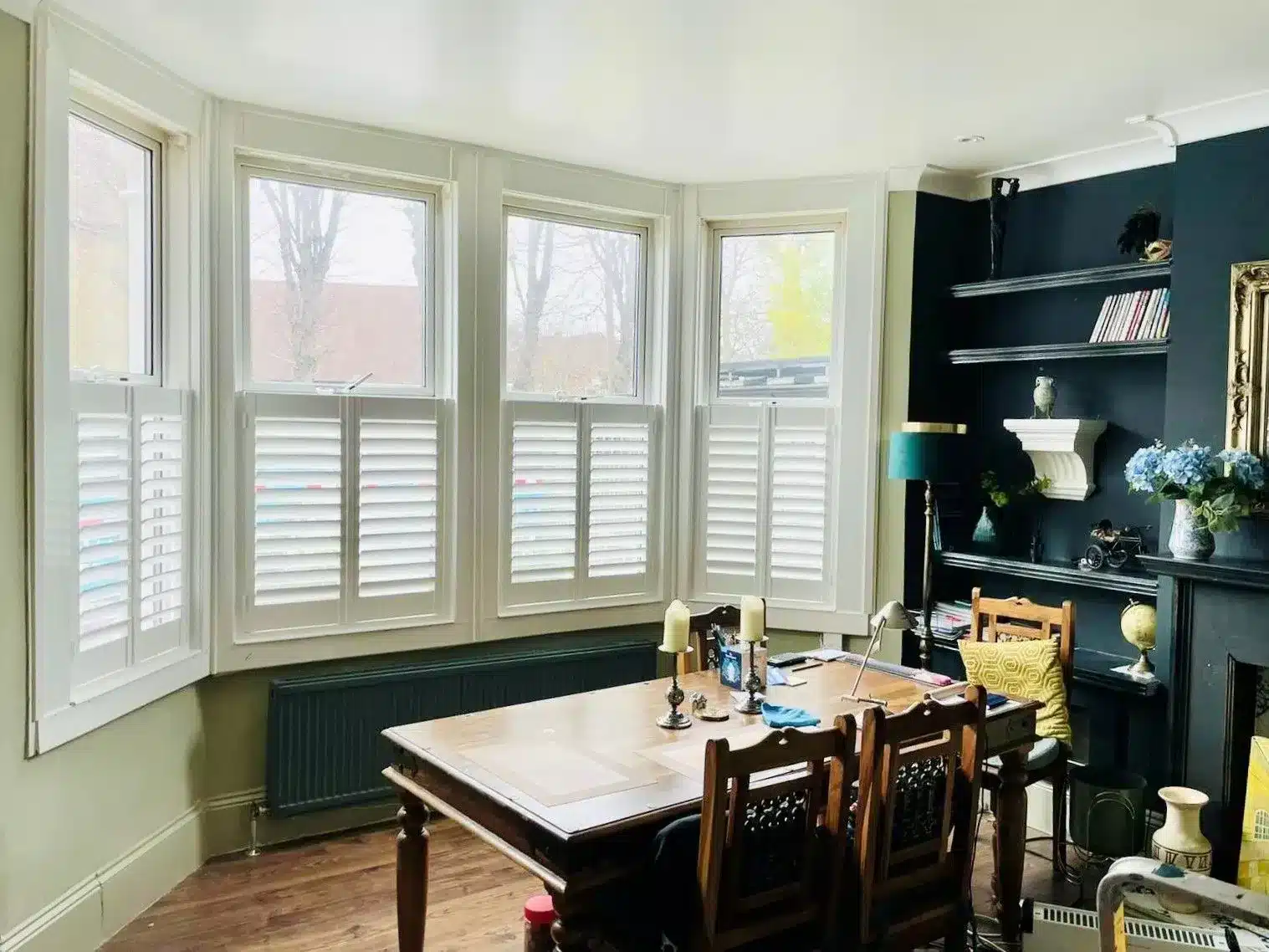
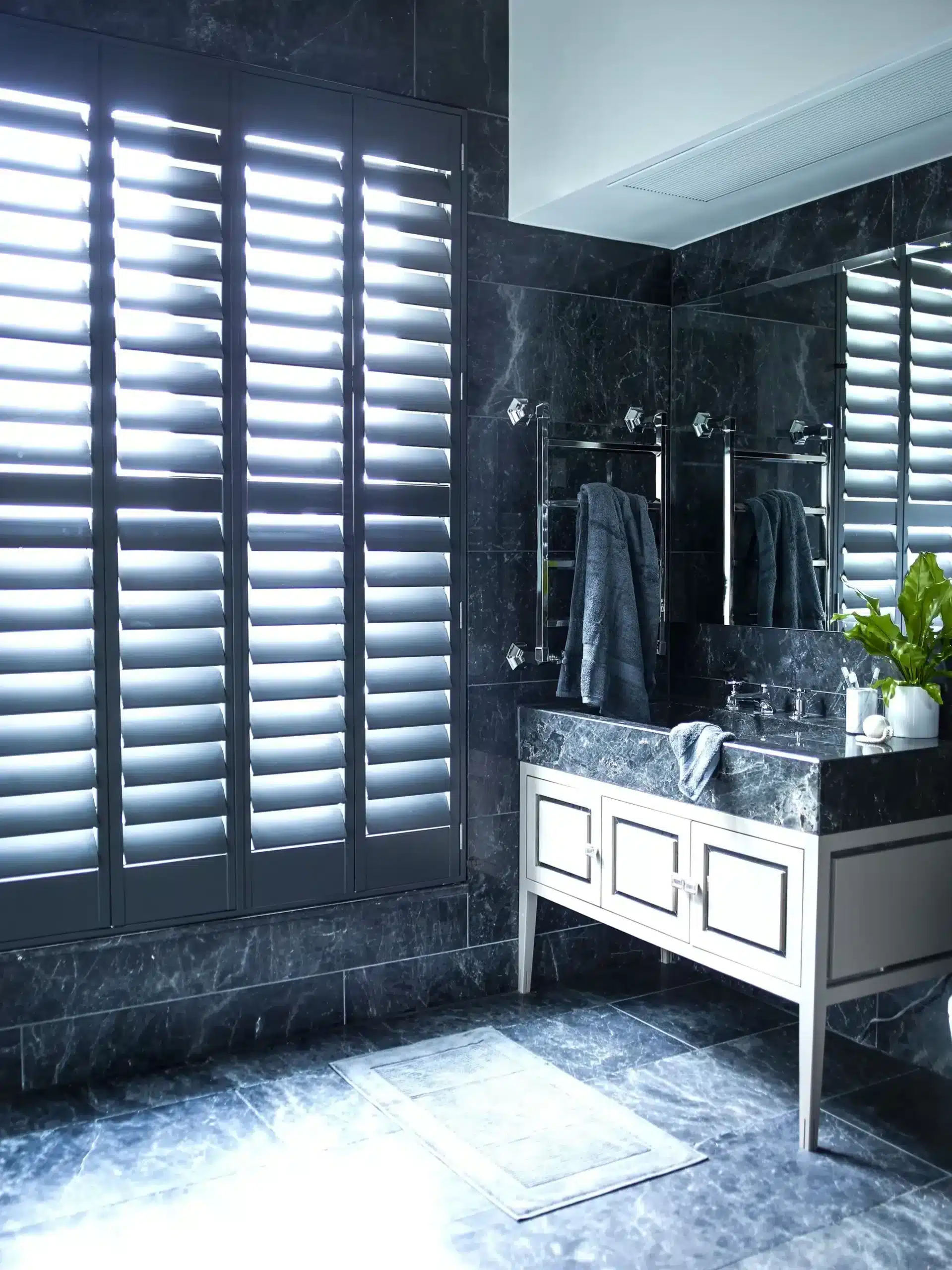
Ask about temporary-blind availability and terms when arranging your shutter order. Our wooden shutters start from £240/m², with a 10-year guarantee and a typical 3–4-week lead time. A free home consultation lets you compare permanent styles and confirm what your written quote includes.