

Tier-on-tier vs full height shutters: how to choose
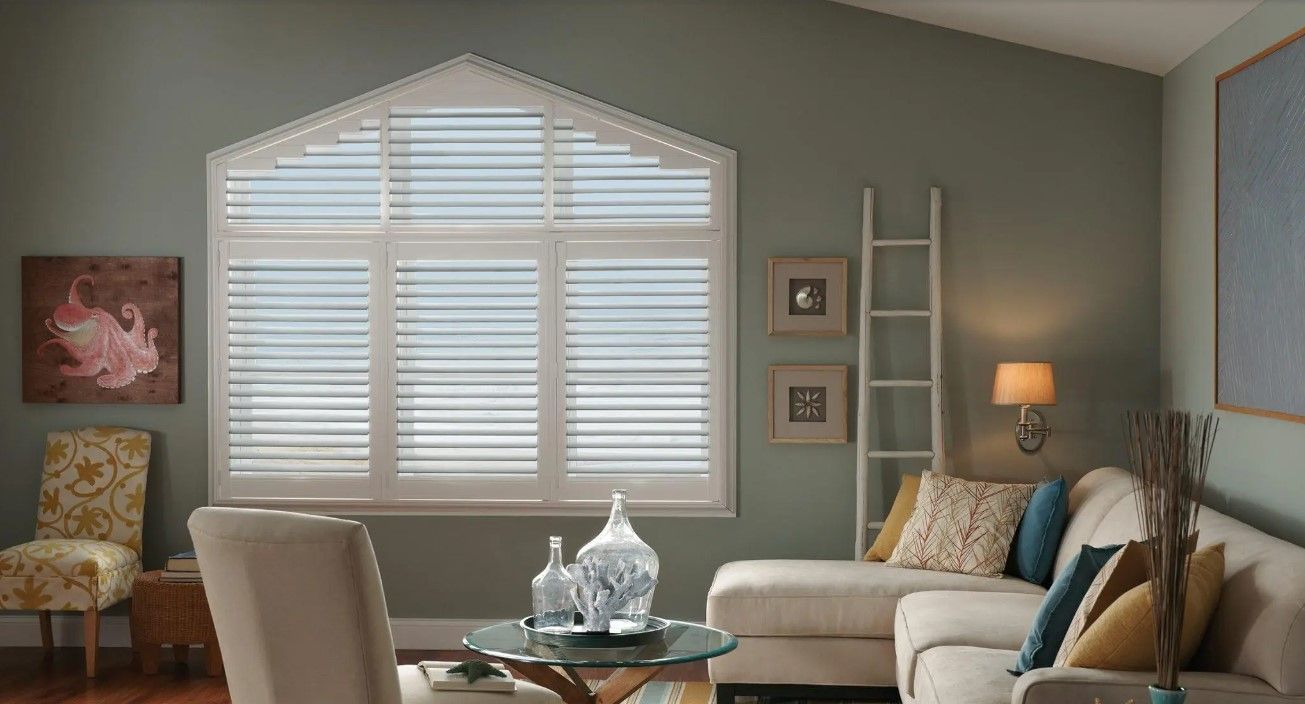
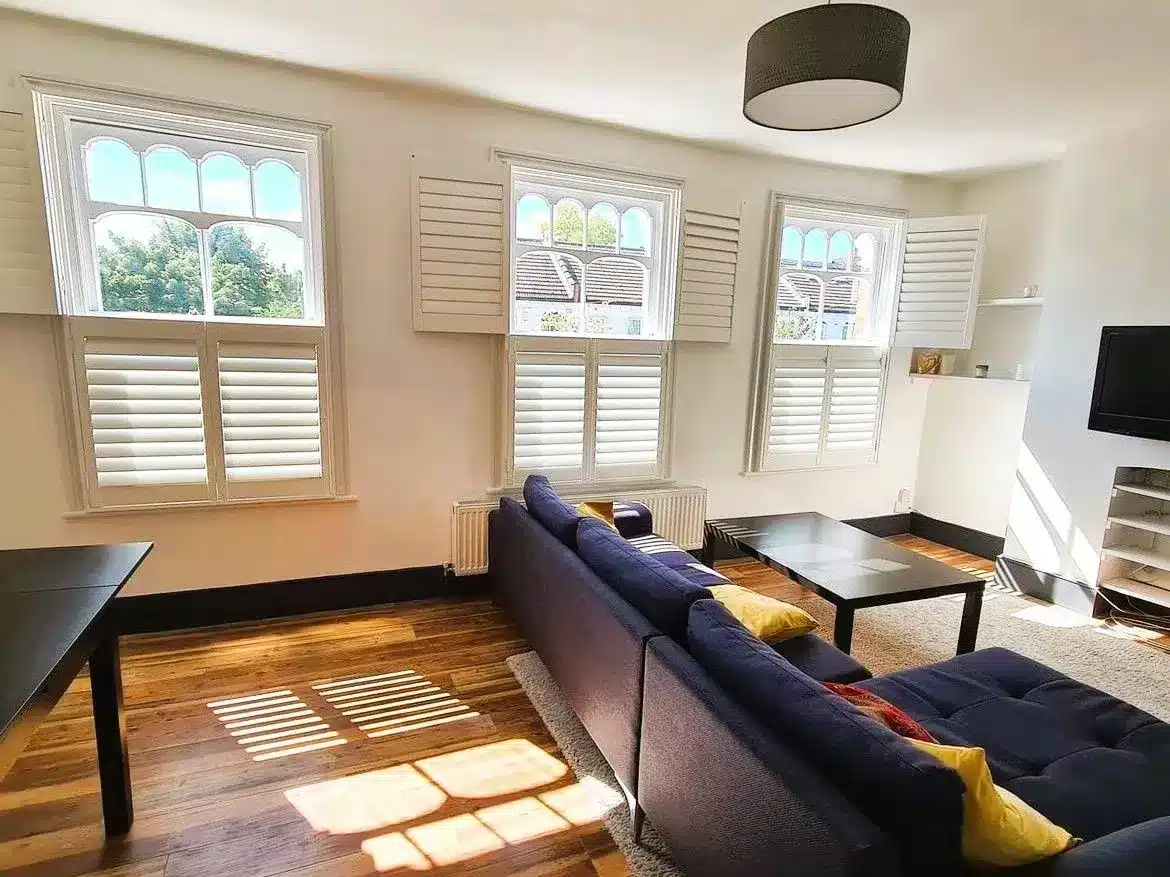
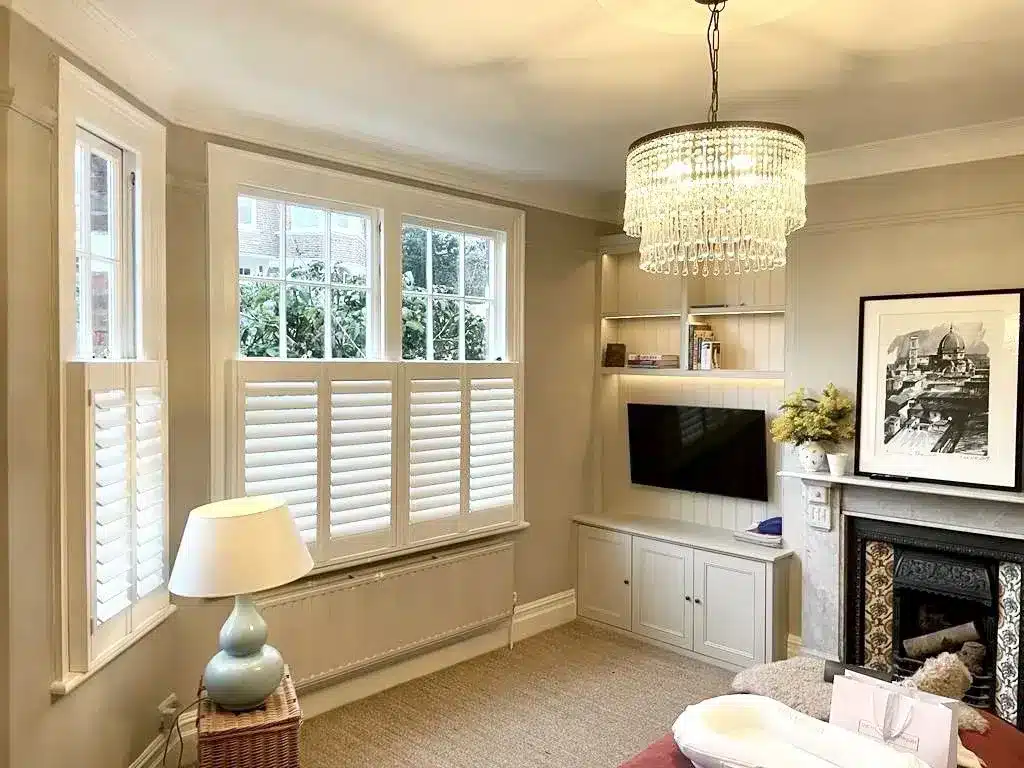
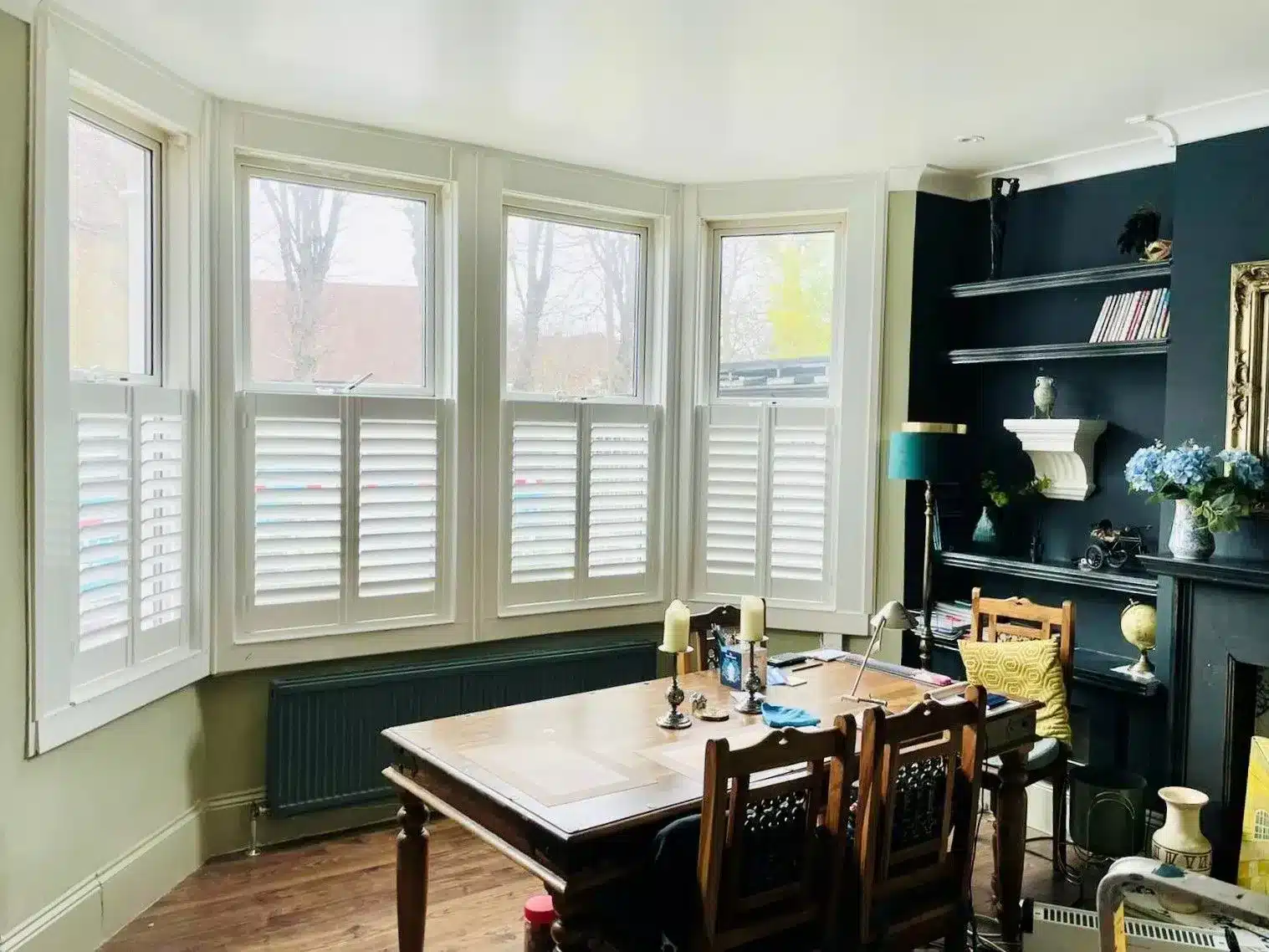
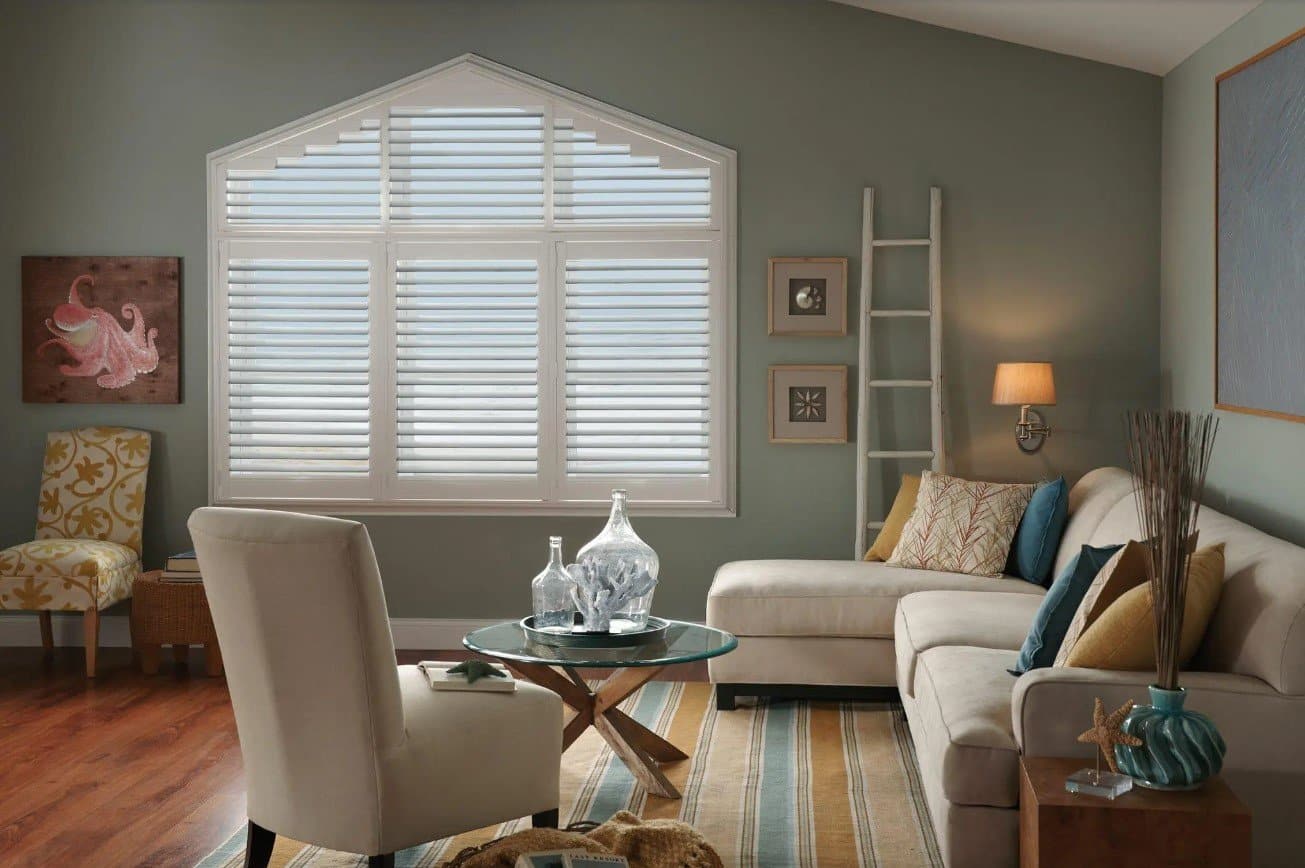
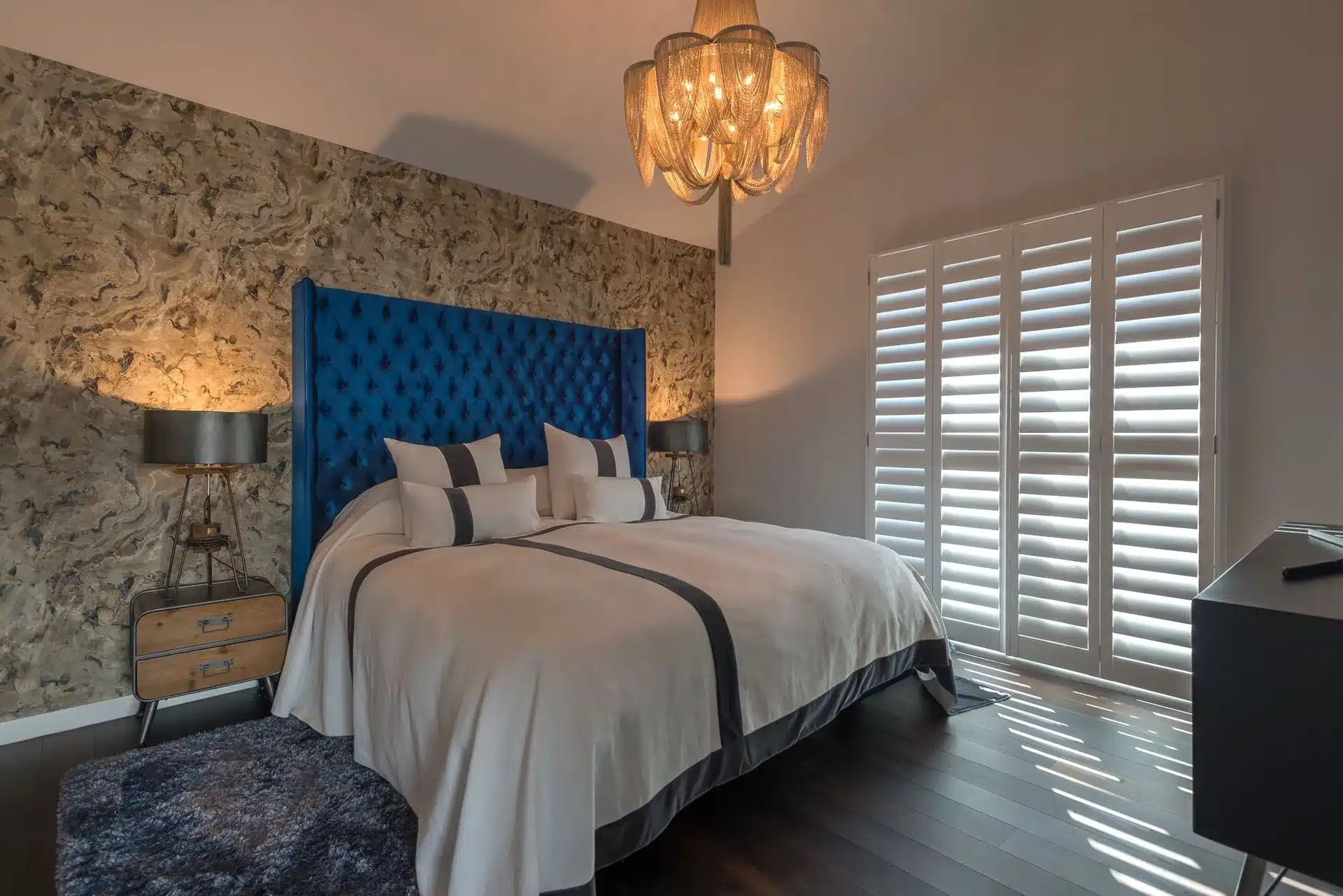
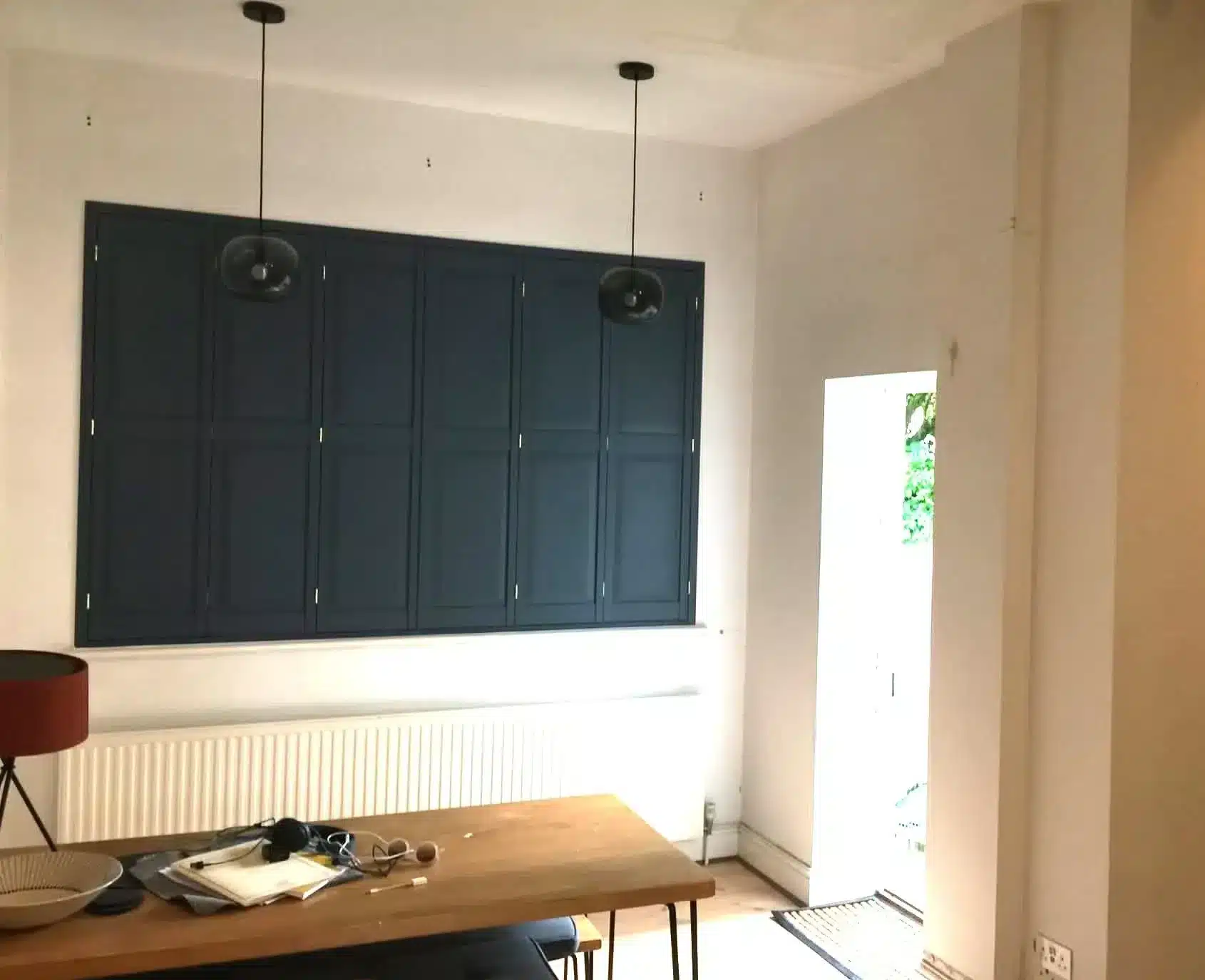
The key difference is how the panels open. Full height shutters use panels spanning the window height. Tier-on-tier shutters divide them into separate upper and lower sets. Both use adjustable louvres; either can suit traditional or contemporary rooms.
Compare the everyday operation
| Decision | Full height | Tier-on-tier |
|---|---|---|
| Opening the panels | The full height panel swings open together. | Upper and lower panels can swing open separately. |
| Adjusting louvres | A split tilt can provide independent upper and lower adjustment. | Adjust the louvres within each tier. |
| Appearance | Fewer horizontal meeting rails; often a simpler outline. | An extra horizontal meeting rail divides the tiers. |
| Privacy | Keep panels closed and adjust louvres to suit the view. | Keep the lower panels closed while opening the upper panels. |
When full height is a useful choice
Consider full height when you prefer a simpler panel arrangement, rarely need to fold away only the upper half, or have a shorter window where extra rails could dominate the glass. Ask about split tilt if you want different louvre angles above and below eye level. A divider rail and a split tilt are design details to discuss, not a reason to assume every full height shutter operates as a single group of louvres.
When tier-on-tier is a useful choice
Consider tier-on-tier for tall street-facing windows where you want an unobstructed upper view while keeping lower-level privacy. Check the split height against existing window rails and the sightline from the pavement. Two independently opening tiers are useful only if there is room to open them.
Check the window and the room
- Try the proposed privacy height while seated and standing.
- Check handles, furniture, radiators and curtains for clearance.
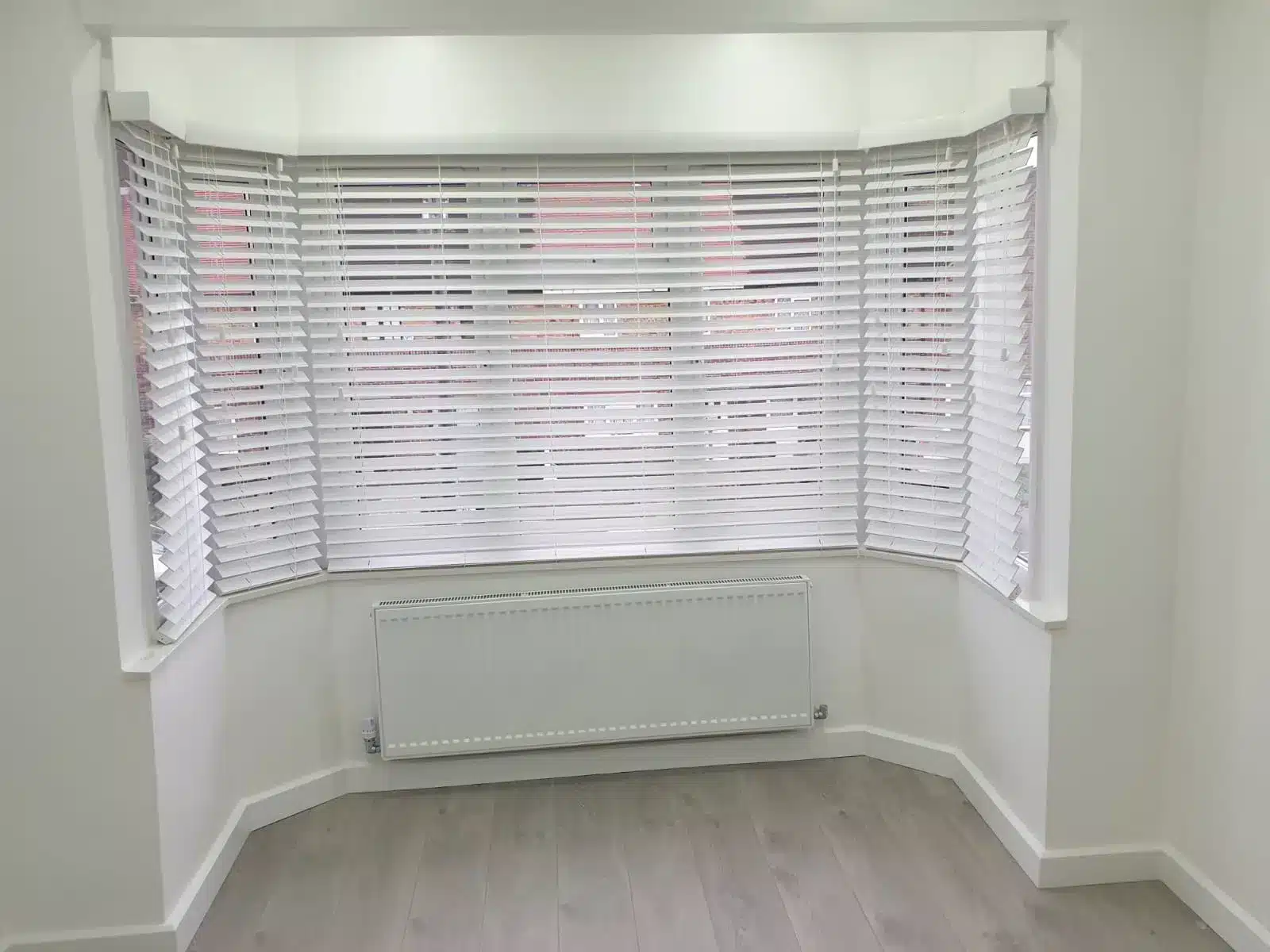
- For a bay, review the angles and the arrangement across every section.
- Discuss access to window catches and ventilation.
- Compare finish and louvre samples in the room’s own light.
Light, comfort and care
Neither style should be assumed to make a room completely dark. Small gaps around panels and louvres can admit light. The whole window and fitting affect comfort; we do not promise a particular energy saving from choosing one panel style over the other.
Both need gentle dusting and care suited to the finish. Tier-on-tier has more panel edges and hinges to work around. Avoid forcing panels past an obstruction.
Compare written quotes
Size, shape, panel design and finish affect the price. Compare quotes for the same openings and specification, and ask for the scope and guarantee terms in writing rather than assuming a fixed surcharge for either style.
Our British-made wooden shutters start from £240/m², with a 10-year guarantee and a typical 3–4-week lead time. The written quote confirms your specification, price and expected fitting date.
Browse full height designs and tier-on-tier designs to compare the existing galleries.
Book a free home design consultation or call 020 3417 6465. We measure your windows, bring samples and discuss a suitable design before providing your written quote.